Why Early Infection Treatment Can Save Life
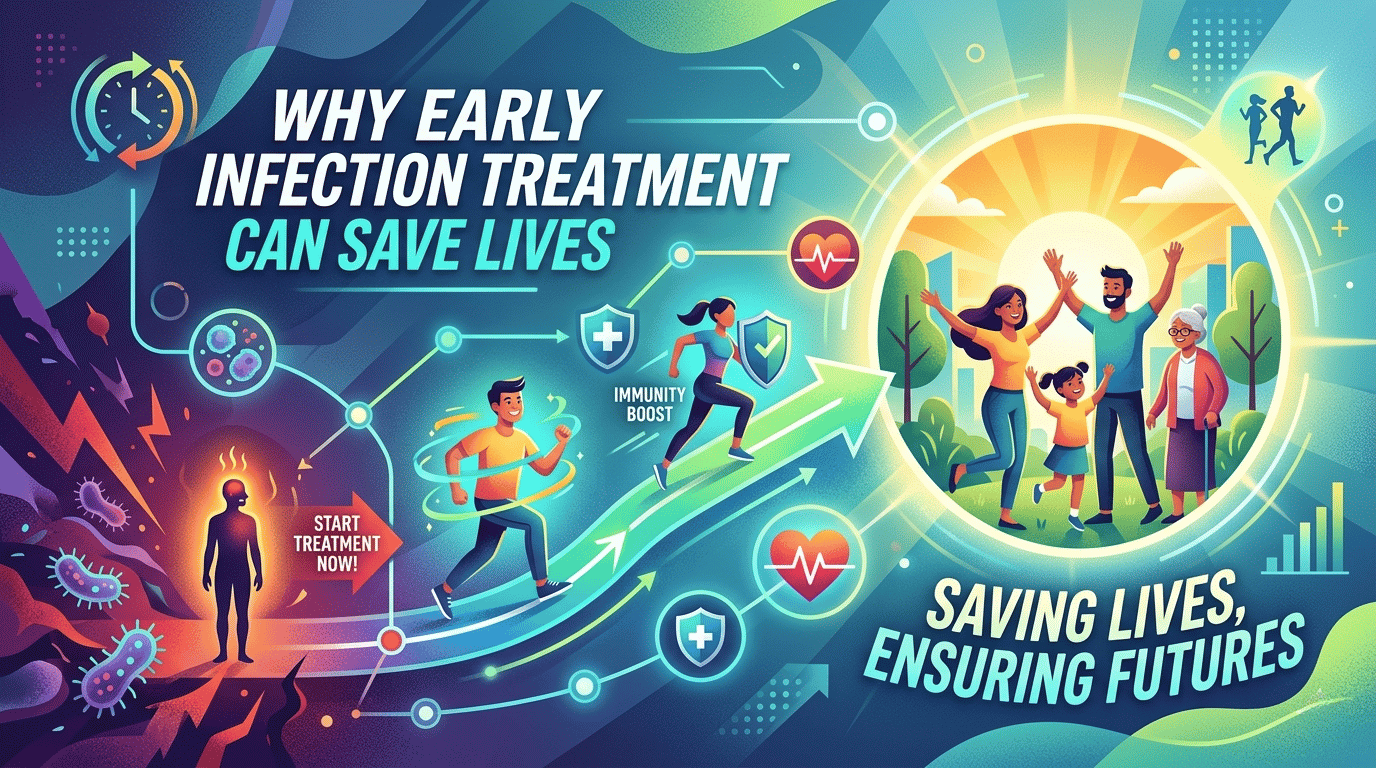
Infections are common, but their seriousness is often underestimated. Many start with simple symptoms like fever or weakness, but some can progress quickly and affect major organs. In critical care practice, delayed treatment is one of the main reasons patients develop complications. This is why early medical attention is so important, especially when managing serious conditions like dengue, malaria, or swine flu.
At hospitals providing the best infection treatment in Ahmedabad, doctors focus on early detection, accurate diagnosis, and timely treatment to prevent infections from becoming life-threatening.
Infections That Can Become Serious
Not all infections are mild. Some conditions need close monitoring and hospital care, such as:
- Severe infections affecting the whole body
- Dengue with low platelets or bleeding risk
- Chikungunya with high fever and severe joint pain
- Malaria with complications like anemia or organ stress
- Swine Flu (H1N1) affects the lungs and breathing
- Multi-Organ Dysfunction Syndrome (MODS), where multiple organs start failing
These conditions can worsen quickly, especially in children, elderly patients, or people with weak immunity.
Early Symptoms That Should Not Be Ignored
Many serious infections begin with common signs. The problem starts when these signs are ignored. Watch for:
- Persistent high fever
- Severe weakness or fatigue
- Breathing difficulty
- Vomiting or poor fluid intake
- Confusion or unusual drowsiness
- Rash or bleeding (commonly seen in dengue)
These symptoms need medical evaluation without delay.
Why Early Treatment Matters
From a clinical point of view, early treatment helps in controlling infection before it spreads in the body. Evidence from critical care practice shows that timely intervention can:
- Stop the infection from spreading
- Reduce the risk of organ damage
- Lower the chances of ICU admission
- Improve recovery outcomes
On the other hand, delayed treatment can lead to complications like sepsis or MODS, where multiple organs fail, and intensive care becomes necessary.
How Infection Treatment Is Managed in Critical Care
In a critical care hospital, infection management follows a structured medical approach:
1. Clinical evaluation
Doctors assess symptoms, medical history, and overall condition to understand severity.
2. Diagnostic testing
Blood tests, infection markers, cultures, and imaging help identify the exact cause and type of infection.
3. Early treatment initiation
Based on diagnosis, antibiotics, antivirals, fluids, or supportive medicines are started promptly.
4. Continuous monitoring
Vital signs such as oxygen levels, blood pressure, and organ function are monitored closely.
5. ICU support when required
In severe cases like H1N1, dengue complications, or MODS, ICU care is provided for organ support and constant observation.
This structured approach is standard in critical care medicine and helps improve patient safety and outcomes.
Importance of Timely Medical Attention
Clinical experience shows that infections can change rapidly within hours. Early consultation allows doctors to identify risk early and start treatment before complications develop. This is especially important in conditions like dengue and malaria, where sudden deterioration is common.
Conclusion
Serious infections should never be ignored or delayed. Early recognition and timely treatment play a major role in preventing complications and saving lives.
With structured care, proper diagnosis, and ICU support when needed, patients have a better chance of recovery. Experienced specialists like Dr. Kush Jariwala and Dr. Pooja Adiwala focus on timely evaluation and evidence-based treatment, which is essential in managing critical infections safely and effectively.